

The 2026 Atlantic hurricane season has officially commenced, prompting the Department of Veterans Affairs (VA) to issue critical safety guidance for veterans, especially those with medical needs or mobility challenges. With the season running from June 1 through November 30, the VA emphasizes the importance of early preparation to mitigate life-threatening conditions that can arise from storms.
Even minor storms can rapidly escalate into dangerous situations, causing power outages, flooding, and service disruptions that can cut off access to essential healthcare and medications. The VA warns that underestimating preparedness can expose vulnerabilities, such as running out of critical prescriptions or losing contact with healthcare providers.
Essential Preparedness Steps for Veterans
The VA recommends several key steps to ensure veterans and their families are ready before severe weather strikes:
Maintain Medication Supplies
Veterans should keep at least a two-week supply of their prescriptions on hand to avoid disruptions in medication during a storm.
Prepare for Power Outages
Those who rely on medical equipment like oxygen machines, Continuous Positive Airway Pressure (CPAP) devices, or powered wheelchairs should discuss backup plans with their healthcare providers to ensure continuous care during power outages.
Build an Emergency Kit
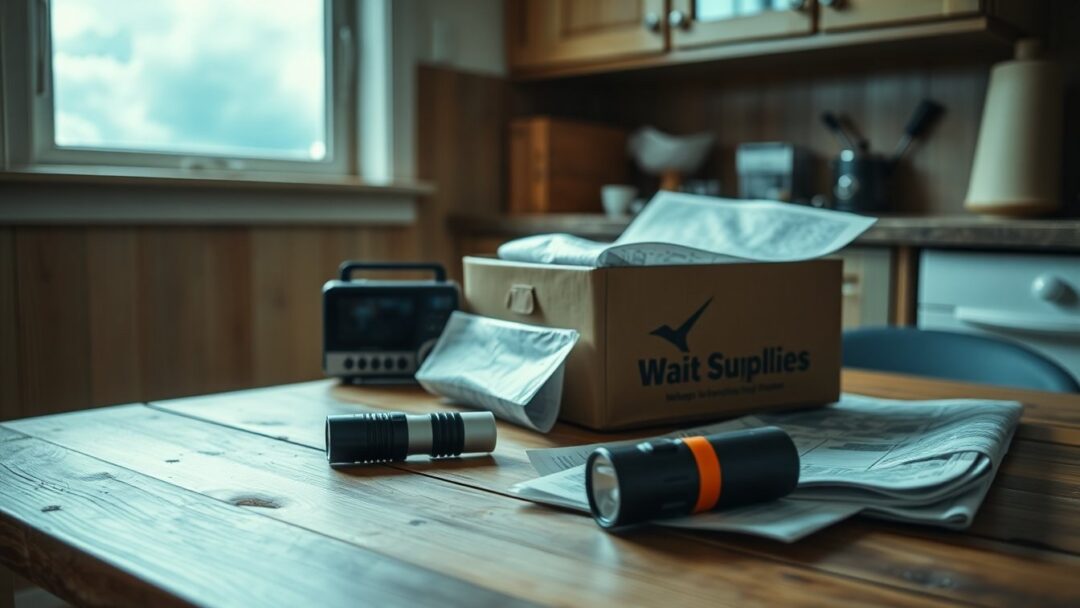
An emergency kit should include essentials such as food, water, batteries, flashlights, medical supplies, and important documents to sustain yourself and your family during and after a storm.
Update Contact Information
Ensuring that VA contact details are up-to-date is crucial for receiving alerts and assistance during severe weather events.
Create a Family Emergency Plan
Knowing evacuation routes, meeting points, and support networks can significantly improve safety and coordination during an emergency.
Stay Alert to Communication
The VA advises veterans to monitor and respond to phone calls, texts, or emails from the VA during severe weather, as these messages may contain critical information about clinic closures, prescription refills, telehealth access, or evacuation guidance.
VA’s Response During Hurricanes
When disasters strike, the VA significantly expands its operations to support not only veterans but also broader communities when local healthcare systems are overwhelmed. This response includes deploying mobile medical units, transferring patients from at-risk facilities, and utilizing telehealth services to maintain care when travel is not possible.
The VA collaborates closely with the Federal Emergency Management Agency (FEMA), the Department of Health and Human Services, and local emergency teams to coordinate efforts and ensure continuity of care. However, officials caution that even a robust emergency response system has its limits, especially if vulnerable individuals cannot be reached.
Understanding the US Hurricane Season
The Atlantic hurricane season typically sees the most intense activity between mid-August and mid-October. Hurricanes form over warm ocean waters and can bring a range of hazards, including destructive winds, storm surge and flooding, heavy rainfall, tornadoes, and prolonged power outages.
For 2026, forecasters predict a quieter-than-normal season, with 8 to 14 named storms, including 3 to 6 hurricanes and 1 to 3 major hurricanes. This outlook is influenced by the emergence of El Niño, a global climate pattern characterized by warmer ocean temperatures in the Pacific, which can reduce hurricane activity in the Atlantic by increasing wind shear.
Experts stress that even a quieter season can produce a devastating landfalling storm, making preparation essential regardless of forecasts.
Why Preparation Matters
The VA’s warning highlights the broader reality that the danger of a hurricane often lies in the disruption it causes, not just in the storm itself. For veterans, particularly those living alone, managing chronic conditions, or relying on medical devices, interruptions to power, transport, and healthcare access can quickly become life-threatening.
Officials emphasize that acting early by preparing supplies, maintaining communication, and responding to official alerts can significantly improve the chances of staying safe during the 2026 hurricane season.


