

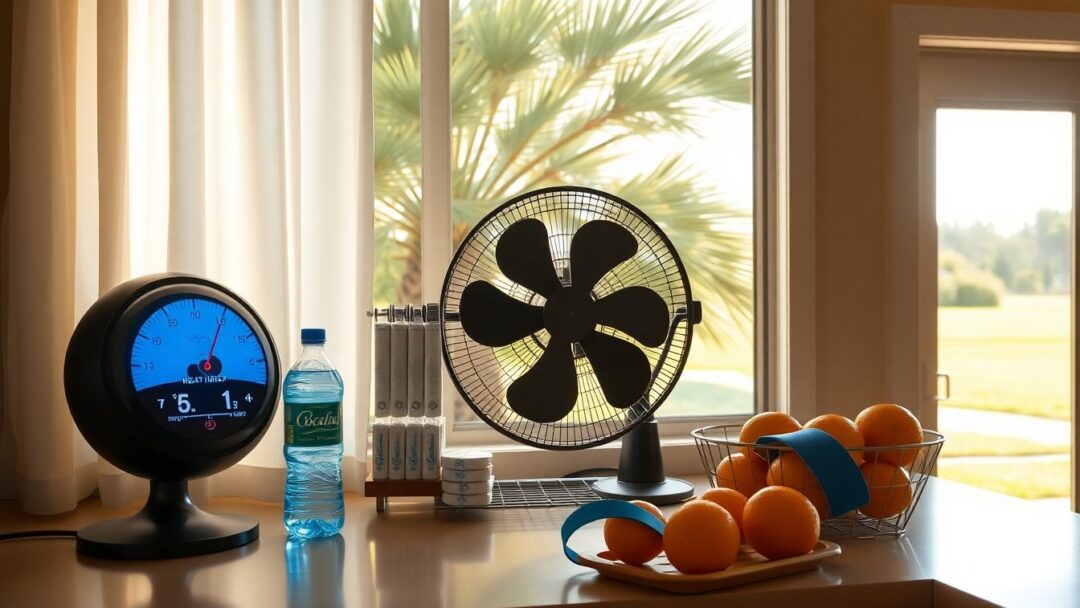
Florida’s climate is known for its extreme heat, making it essential to have a solid understanding of heat management tactics. Generally, the state’s hot weather can be challenging, especially for people who work outdoors or engage in sports. In most cases, the key to staying cool is to plan ahead and take necessary precautions.
One of the most critical aspects of heat management is wet-bulb risk. Typically, this occurs when the temperature and humidity levels are high, making it difficult for the body to cool down. To mitigate this risk, it’s essential to stay hydrated by drinking plenty of water and taking regular breaks in cool, shaded areas.
Heat Management Tactics
There are several heat management tactics that can help individuals stay cool in Florida’s hot weather. These include wearing lightweight, light-colored clothing, staying in air-conditioned spaces, and avoiding strenuous activities during the hottest part of the day. In most cases, it’s also a good idea to use cooling devices such as fans or misting bottles to help lower body temperature.
Hydration Planning
Hydration planning is critical in Florida’s hot climate. Generally, it’s recommended to drink at least eight glasses of water per day, and more if you’re engaging in physical activity. Typically, it’s also a good idea to avoid caffeinated and carbonated drinksas they can exacerbate dehydration. In most cases, it’s best to drink water regularly throughout the day, rather than consuming large amounts at one time.
Cost-Effective Cooling Strategies
There are several cost-effective cooling strategies that can help individuals stay cool in Florida’s hot weather. These include using window shades or awnings to block out direct sunlight, and planting trees or shrubs to provide shade. Typically, it’s also a good idea to use cooling packs or cold compresses to help lower body temperature.
Ultimately, staying cool in Florida’s hot weather requires a combination of heat management tacticshydration planningand cost-effective cooling strategies. By planning ahead and taking necessary precautions, individuals can reduce their risk of heat-related illnesses and stay safe in the state’s scorching climate.


