

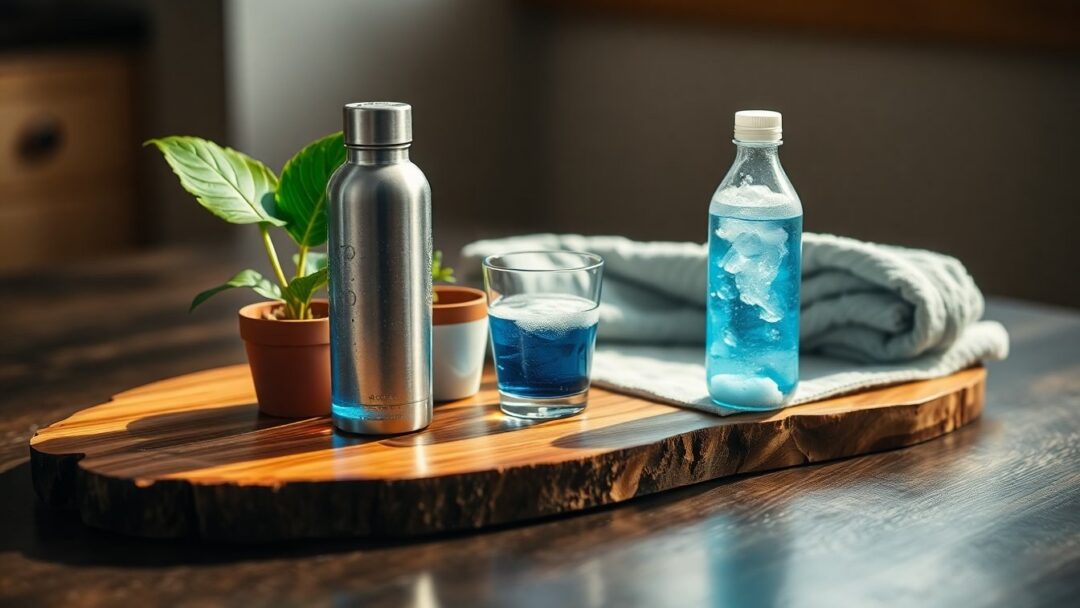
Heat-related illnesses are a significant concern for athletes, particularly in humid climates. Heat acclimation is a critical process that helps the body adapt to high temperatures and humidity, reducing the risk of heat-related illnesses. Generally, athletes should allow 7-14 days for acclimation, with gradual increases in intensity and duration.
Proper hydration is also essential for athletes training in humid climates. Dehydration can occur quickly, leading to serious health issues. Athletes should drink plenty of water before, during, and after training, aiming to replace lost fluids and electrolytes. Electrolyte-rich drinks can help replenish lost salts and minerals.
Understanding Heat Index Thresholds
Athletes should be aware of the heat index which takes into account temperature and humidity to determine the perceived temperature. Generally, a heat index above 100°F (38°C) is considered high risk, and athletes should take extra precautions. Heat index thresholds can vary depending on individual factors, such as acclimation level and medical conditions.
Choosing the Right Gear
Athletes should choose lightweight, breathable clothing and moisture-wicking fabrics to help keep them cool and dry. Sun protection including hats, sunglasses, and sunscreen, is also essential. Additionally, athletes should consider using cooling towels or cooling vests to help regulate their body temperature.
Practice Scheduling and Red-Flag Symptoms
Athletes should schedule practices during cooler parts of the day, such as early morning or evening, to avoid the hottest temperatures. Coaches and athletes should be aware of red-flag symptoms including dizziness, nausea, and headaches, which can indicate heat-related illnesses. If an athlete experiences any of these symptoms, they should stop training immediately and seek medical attention.
Adapting Advice for Youth, Adult Amateurs, and Coaches
Youth athletes, adult amateurs, and coaches should take extra precautions when training in humid climates. Coaches should monitor athletes closely, providing regular breaks and hydration opportunities. Adult amateurs should be aware of their own limitations and take regular breaks to avoid heat-related illnesses. Youth athletes should be closely supervised, with regular checks for signs of heat-related illnesses.


