

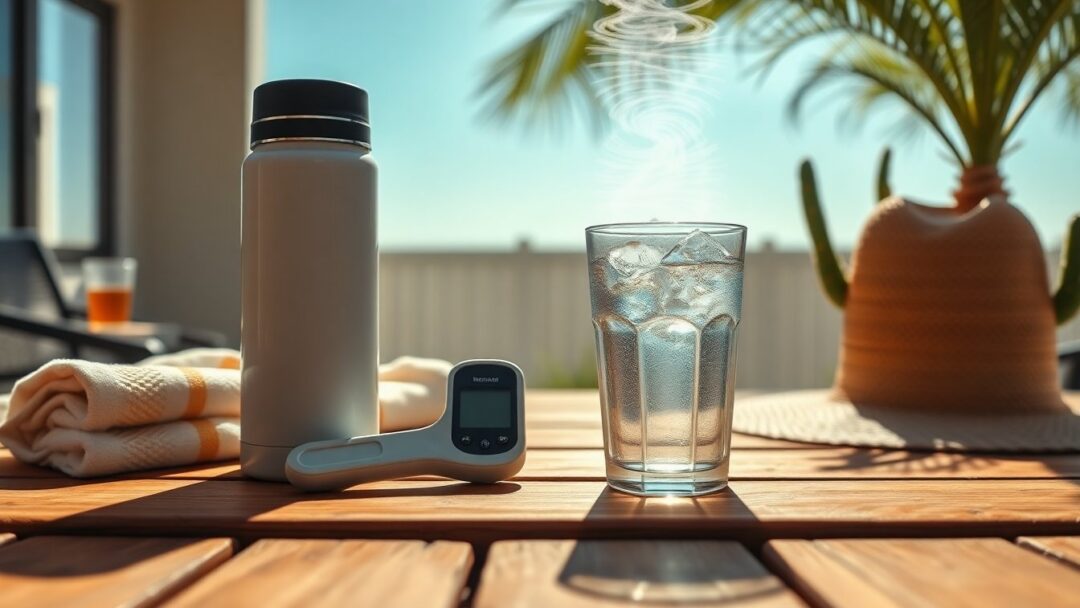
A heat dome is a type of high-pressure system that forms over a region, causing the air to sink and warm, leading to extremely high temperatures. In simple terms it’s like a lid that traps the heat, making it difficult for the air to rise and cool. This phenomenon is particularly relevant in states like Florida, where the heat index can reach dangerous levels.
Understanding the science behind heat domes is crucial for public health and safety. When a heat dome forms, it can lead to heat-related illnesses such as heat exhaustion and heat stroke. The vulnerable groups including the elderly, young children, and people with pre-existing medical conditions, are at a higher risk of experiencing these illnesses.
Hydration and Cooling
Staying hydrated is essential during a heat dome event. Drinking plenty of water and electrolyte-rich fluids can help the body regulate its temperature. Additionally, cooling measures such as taking cool showers or baths, using cooling packs and staying in air-conditioned spaces can help reduce the risk of heat-related illnesses.
Energy Use and Conservation
During a heat dome event, energy use tends to increase as people rely on air conditioning to stay cool. However, this can lead to power outages and increased energy costs. To mitigate this, it’s essential to conserve energy by using energy-efficient appliances turning off lights and electronics when not in use, and using power strips to reduce standby power consumption.
Florida-Centric Checklist
For vulnerable groups and low-income households in Florida, it’s crucial to have a heat dome preparedness plan in place. This can include:
- Creating a cooling plan with friends and family
- Stocking up on water and non-perishable food
- Having a first aid kit and knowing how to treat heat-related illnesses
- Staying informed about weather forecasts and heat dome warnings
Low-Cost Home Heat Mitigation
There are several low-cost measures that can help mitigate the effects of a heat dome in Florida homes. These include:
- Using window shades and awnings to reduce heat gain
- Installing low-cost cooling systems such as evaporative coolers
- Sealing air leaks and adding insulation to reduce heat transfer
- Using fans and ventilation systems to improve air circulation
By understanding the science behind heat domes and taking proactive measures to stay safe and conserve energy, Floridians can reduce the risks associated with these events and stay cool during the hot summer months.


