
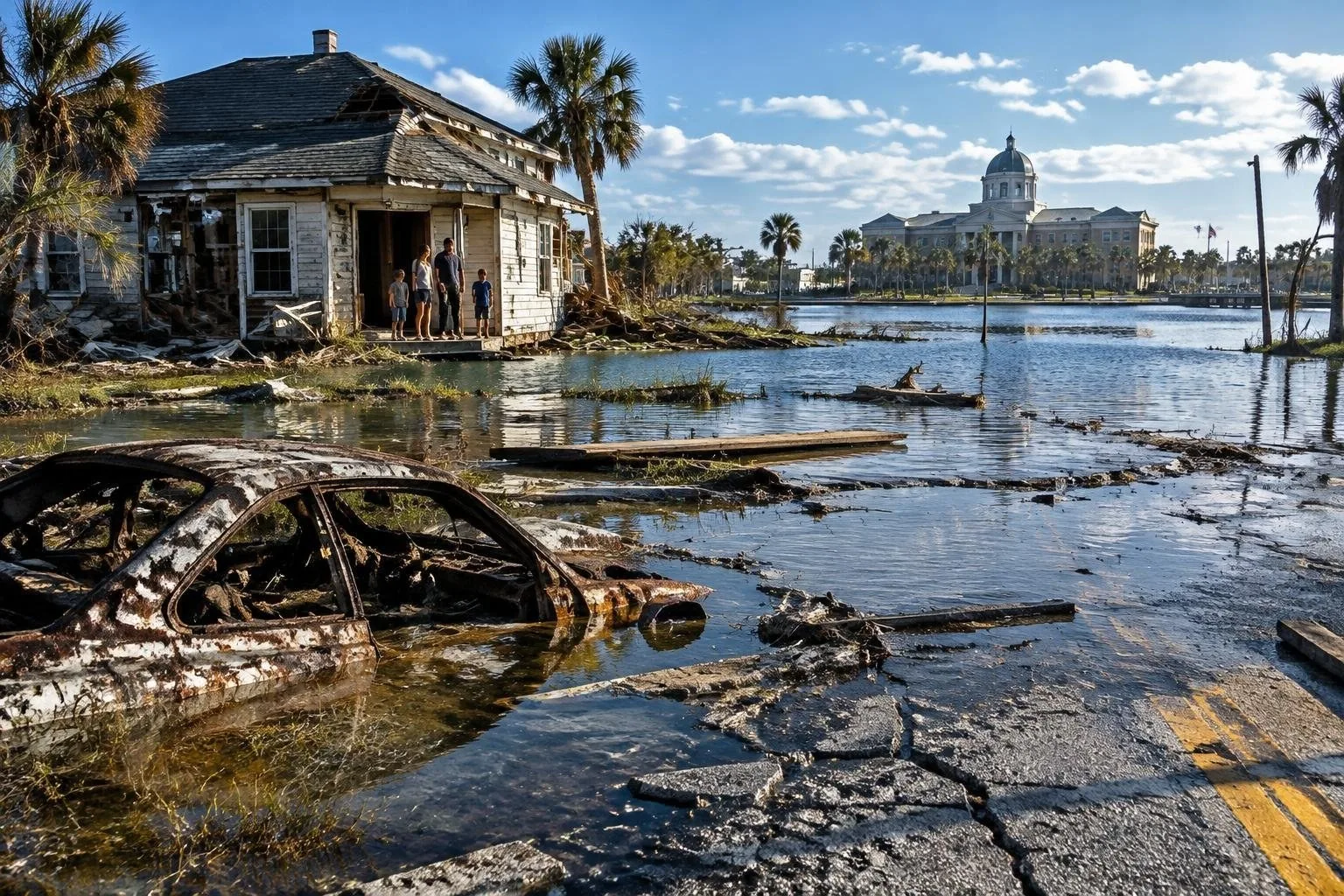
When record-breaking rain battered South Florida, the Treasure Coast saw water surge into streets that had never before been under several feet of floodwater. In Jensen Beach, the French family—Lisa, Jeremy and their two young boys—found their home submerged days after the rain stopped, with floorboards floating outside the house. The devastation forced them to leave the only residence they had built a lifetime of memories in, and they now stand before the Martin County Commission pleading for a path back to normalcy.
From a soaked home to a call for permanent shelter
Lisa French describes the scene inside the house as a complete loss: “Our appliances are gone, our cabinets are gone, every piece of furniture.” The water, rising to about five feet in some sections of the neighborhood, stripped the interior of anything the family had accumulated over years. After the flood receded, the family was told the structure was unsafe to re-enter. At a meeting held in the Hoke Library’s Multi-Agency Resource Center, the couple voiced their desperation, stating, “Today we are homeless. We have nowhere to host Thanksgiving, no beds to come home to.” Their appeal centers on two urgent needs: a safe, temporary place to live and the financial means to repair or replace their destroyed home.
Neighbors also trapped, infrastructure under scrutiny
Lisa’s experience mirrors that of many Jensen Beach residents. Homeowners along Hyline Drive report standing water up to five feet deep, with sewage mixing into the flood because most homes rely on septic systems. Long-time resident Todd Doss and his partner Susan Boeve describe navigating the flooded streets like a “game of leapfrog,” stepping over cinder blocks to avoid the muck. Doss adds, “The smell is bad, it feels like camping,” while noting that some homes hold three to four feet of water inside. The neighborhood, not officially designated as a flood zone, leaves many without flood insurance, heightening anxiety about future storms.
Questions about water management
Martin County officials explain that the French home sits near the Savannah Preserves, a natural basin where excess water from surrounding areas drains. However, Lisa French doubts the explanation, pointing to reports that water was deliberately released into the savannas on the Monday and Tuesday after the rain, potentially aggravating the flood. Residents like Mike Bresette argue that the county had more than a decade—since 2011—to upgrade drainage infrastructure, yet no substantial improvements have occurred. The hesitation of officials to provide a clear timeline fuels frustration, as many fear that another heavy storm could recreate the same devastation.
Official response and hopes for disaster aid
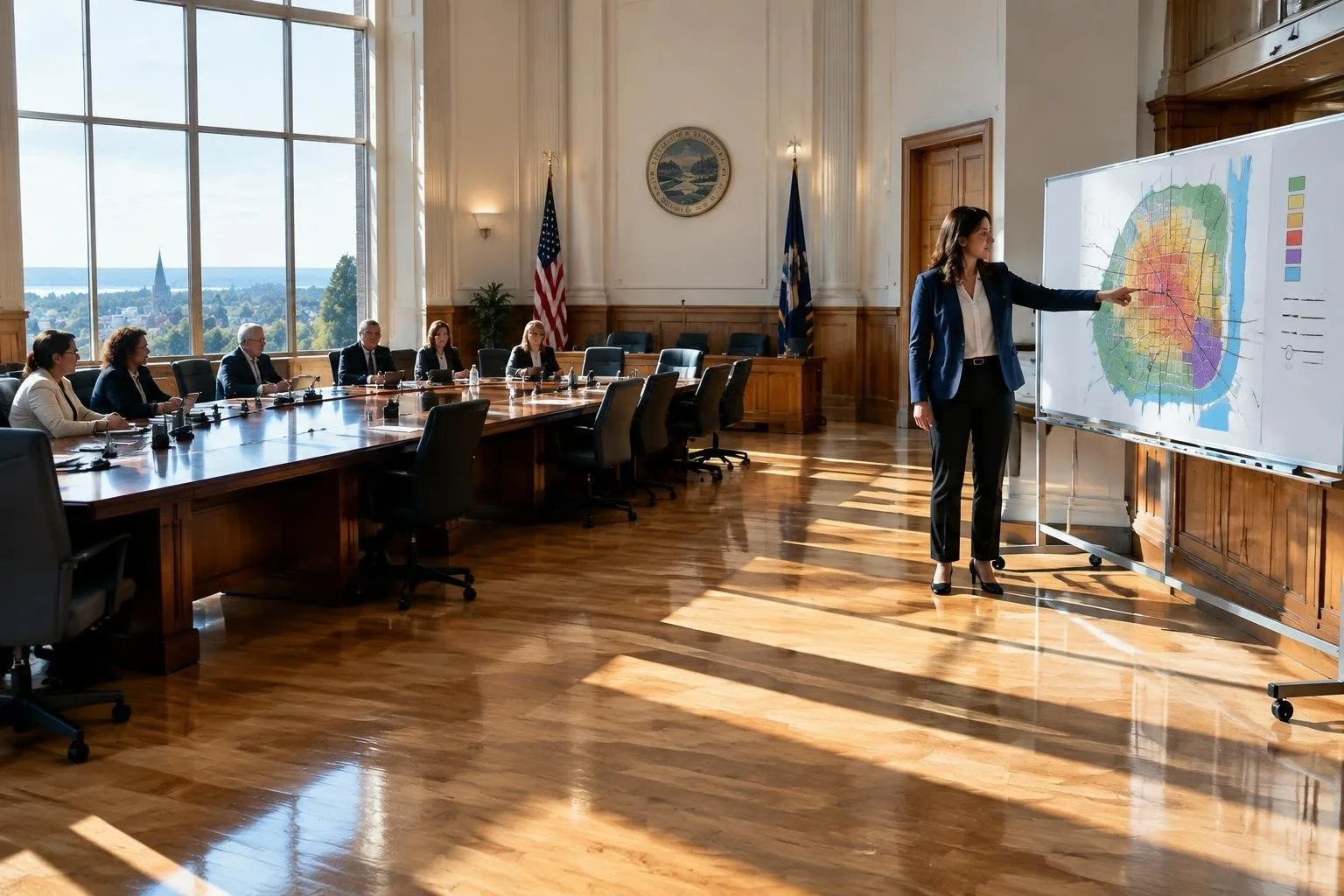
Governor Ron DeSantis declared a state of emergency for Martin County and five other counties, unlocking state resources. Local leaders, however, admit they cannot predict when the water will fully recede, and some homeowners fear the standing water could linger for months. The community hopes a federal disaster declaration will follow, which would enable FEMA assistance to families lacking flood insurance. Until then, families like the Frenchs remain in limbo, trying to secure temporary housing while navigating a complex web of aid programs.
Despite the hardship, the French family maintains a resolve to return home. “We just want to go home,” Lisa says, emphasizing that their goal is to rebuild a life in the Jensen Beach house they worked so hard to maintain. Their story, echoed by neighbors struggling with similar losses, underscores the human toll of the historic rainfall and highlights the urgent need for more robust flood-mitigation measures on the Treasure Coast.